
Korean Gastronomy
Korean cuisine is recognized for its balance of flavors, variety of ingredients, and unique fermentation techniques. Discover South Korea's most emblematic dishes.
Explore by category
Popular dishes
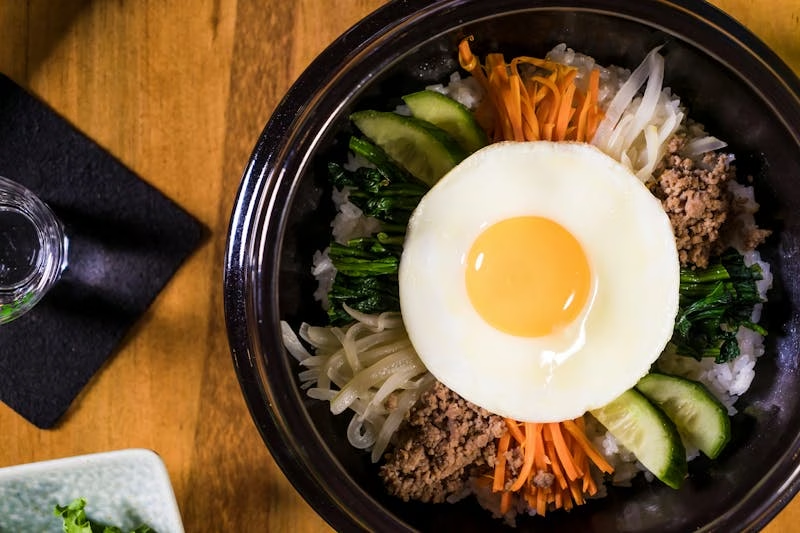
Bibimbap
비빔밥
An iconic dish consisting of white rice topped with assorted vegetables, meat (usually beef), an egg, and gochujang (Korean chili paste). The name means 'mixed rice' and everything should be stirred together before eating to blend the flavors.
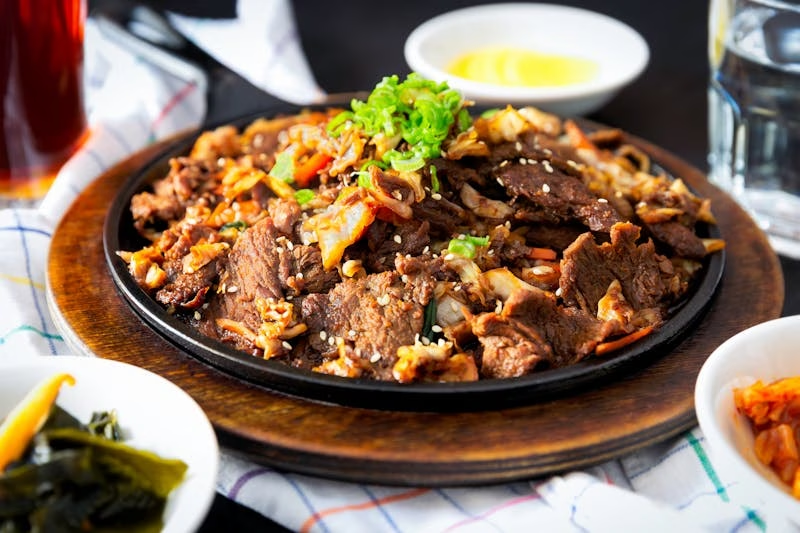
Bulgogi
불고기
Thin slices of beef marinated in a sweet mixture of soy sauce, sugar, sesame, garlic, and other spices, then grilled. The term 'bulgogi' literally means 'fire meat'. It's one of the most internationally known Korean dishes.
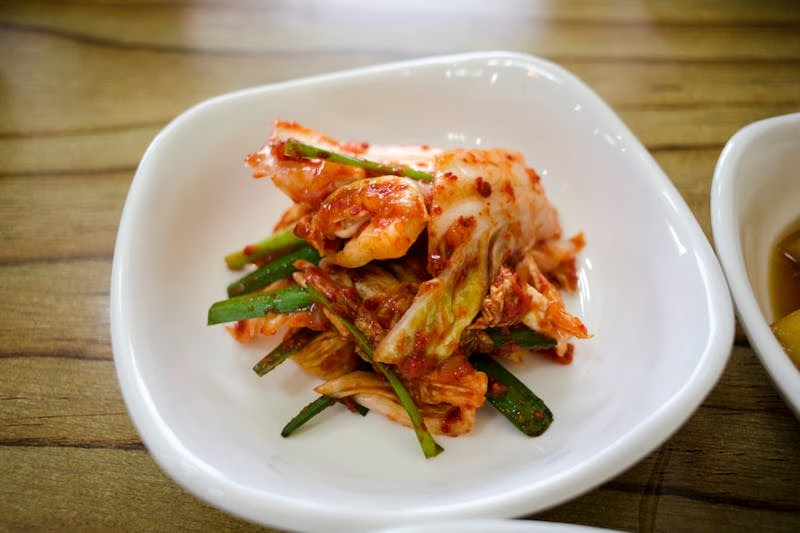
Kimchi
김치
Not a dish in itself, but an omnipresent side dish in Korean cuisine. It consists of fermented napa cabbage (or other vegetables) with a spicy mixture that includes gochugaru (Korean chili flakes), garlic, ginger, and fermented fish. There are over 200 varieties of kimchi.
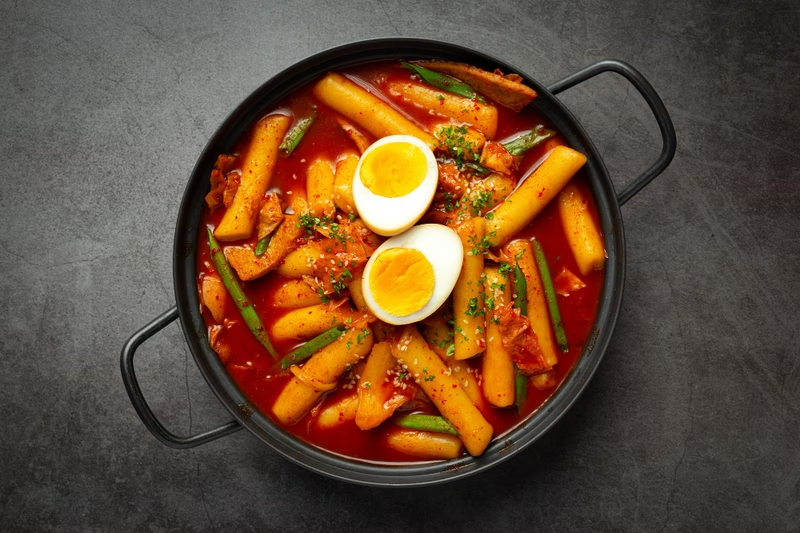
Tteokbokki
떡볶이
Cylindrical rice cakes (tteok) cooked in a spicy gochujang sauce. It's one of Korea's most popular street foods and is characterized by its deep red color and its simultaneously spicy and sweet taste.
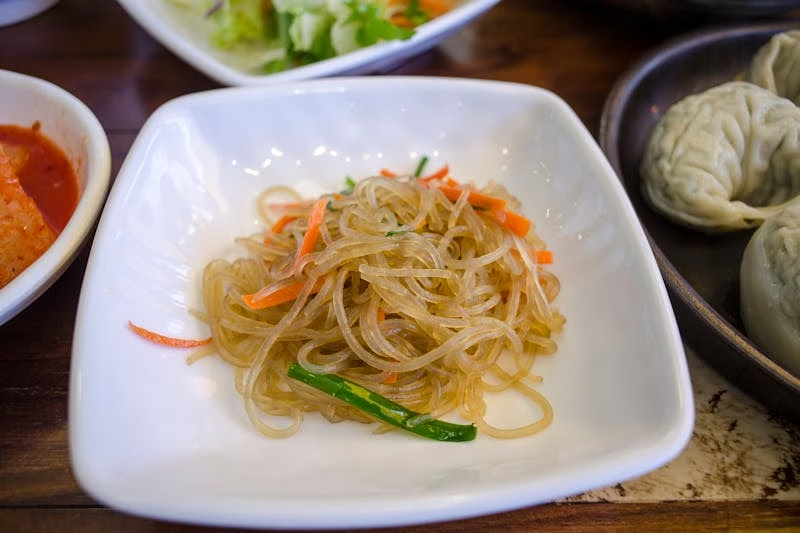
Japchae
잡채
Sweet potato glass noodles stir-fried with vegetables, meat (usually beef), and seasoned with soy sauce and sesame oil. It's a festive dish typically served at celebrations and special occasions.
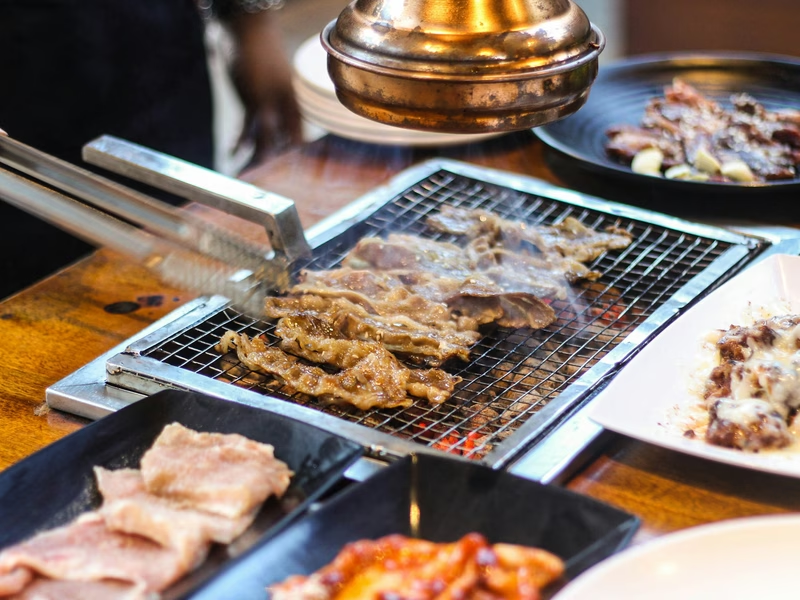
Samgyeopsal
삼겹살
Fresh (unmarinated) pork belly cooked on a grill at the table. It's typically eaten by wrapping the meat in lettuce or perilla leaves with garlic, soybean paste (ssamjang), and other accompaniments, forming a small package that's eaten in one bite.
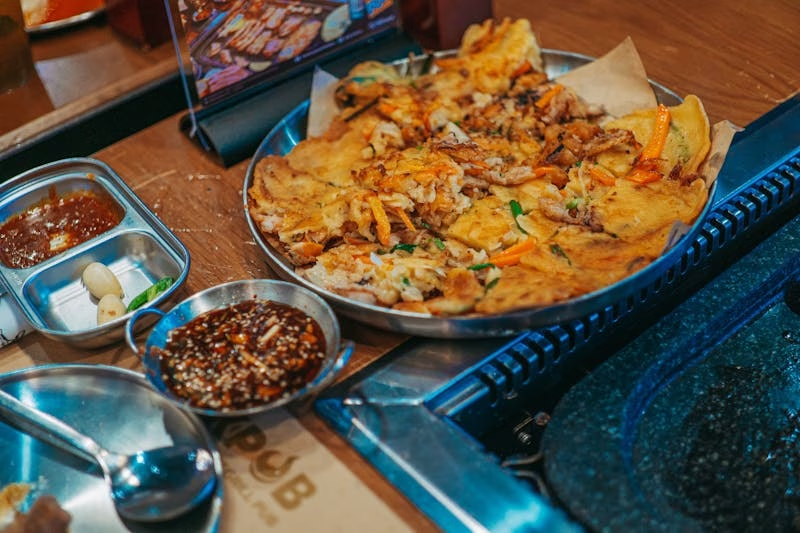
Haemul Pajeon
해물파전
A kind of savory pancake made with flour, egg, green onions (pa), and various seafood (haemul). It's crispy on the outside and tender inside, and is usually served cut into pieces for sharing, accompanied by a soy sauce with vinegar.
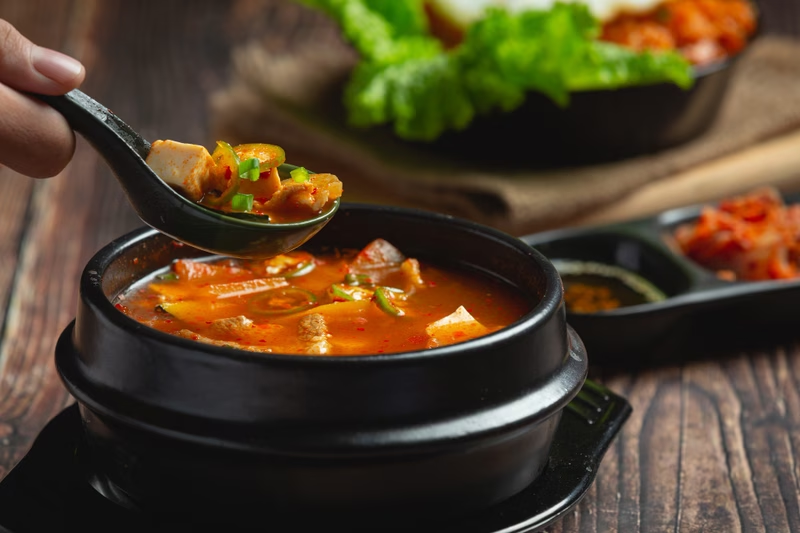
Sundubu Jjigae
순두부찌개
A spicy stew made with soft tofu (sundubu), typically cooked with seafood, meat, or vegetables in a broth seasoned with gochugaru (chili flakes). It's served boiling hot in a ttukbaegi (earthenware pot) with a raw egg added at the end, which cooks with the residual heat.
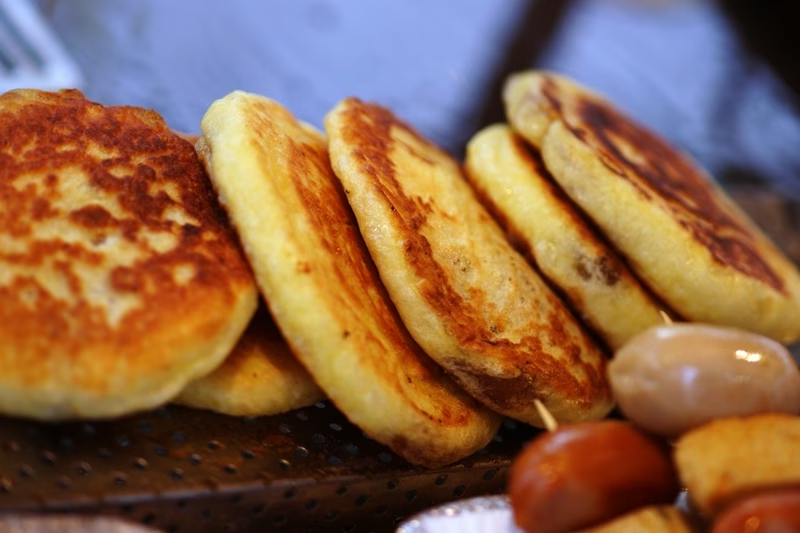
Hotteok
호떡
A sweet pancake traditionally filled with brown sugar, cinnamon, and nuts. The dough is fried on a griddle and flattened while cooking, creating a crispy exterior and a warm, gooey interior. It's a very popular winter snack.
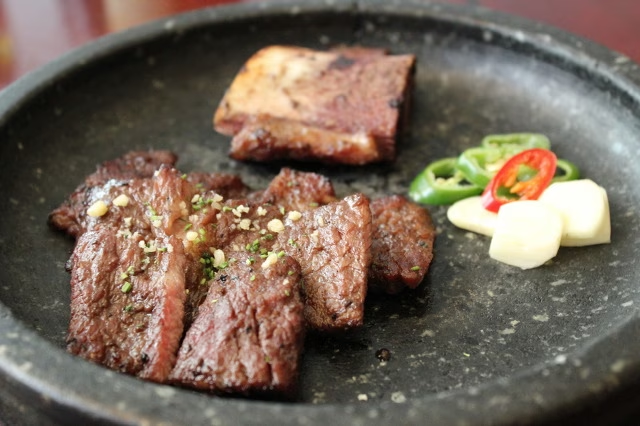
Galbi
갈비
Beef short ribs marinated in a sweet sauce of soy sauce, pear, garlic, and mirin, then grilled. The ribs are cut in a special way so the meat stays attached to the bone but is easy to eat. It's considered one of Korea's most refined barbecue dishes.
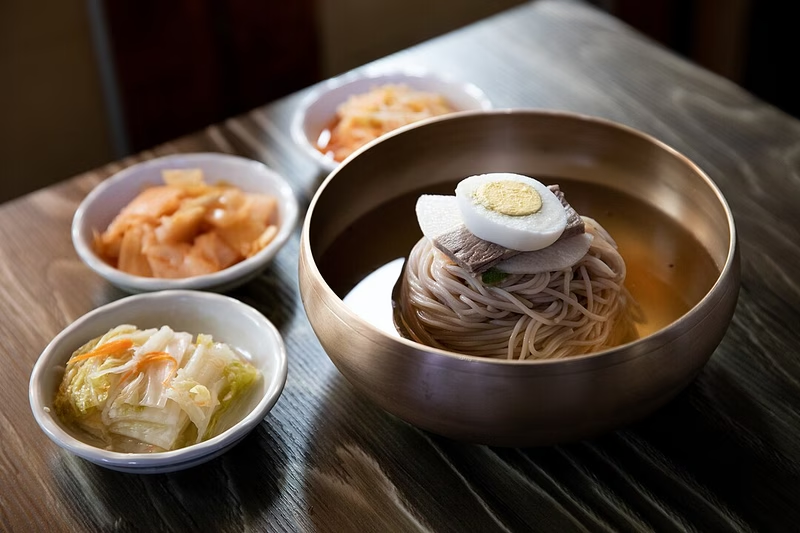
Naengmyeon
냉면
Cold buckwheat noodles served in an ice-cold broth or with a spicy sauce. It's the perfect dish for Korean summer. There are two main varieties: mul-naengmyeon (in cold broth) and bibim-naengmyeon (mixed with spicy sauce).
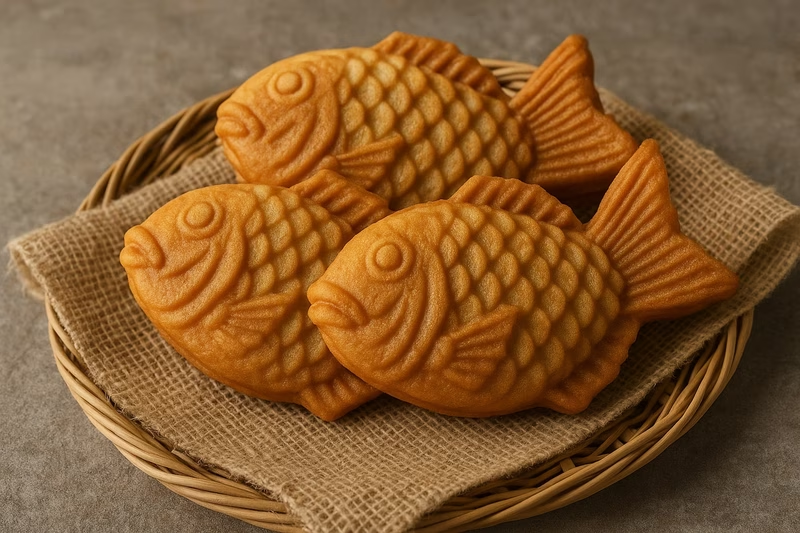
Bungeoppang
붕어빵
A fish-shaped pastry traditionally filled with sweet red bean paste (anko), though now also found with cream, chocolate, or other fillings. It's made in a special mold that gives it the characteristic fish shape. It's a very popular winter snack.
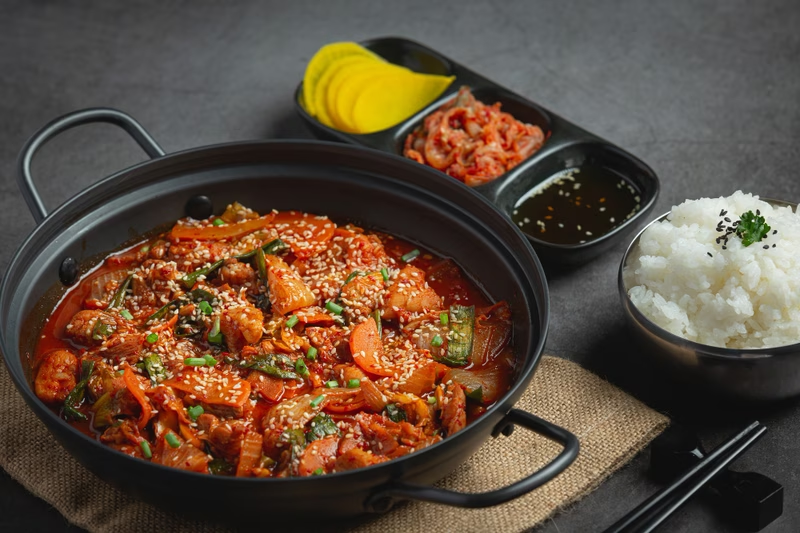
Dakgalbi
닭갈비
Chicken marinated in gochujang and cooked on a large iron griddle along with vegetables like cabbage, sweet potato, onion, and tteok (rice cakes). It's cooked at the table and eaten directly from the griddle. At the end, rice is often added to make bokkeumbap (fried rice).
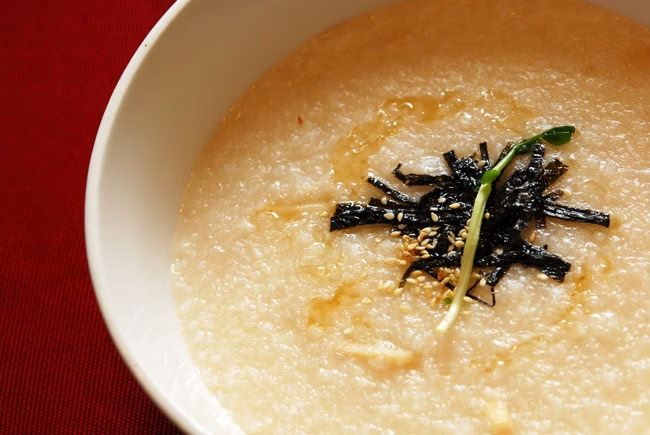
Jeonbok-juk
전복죽
A soft and nutritious porridge made with abalone (a premium sea mollusk), rice, and vegetables. It's cooked slowly until achieving a creamy texture. It's considered a comforting and nutritious dish, often served to sick people or as recovery food.
Korean table etiquette
How to use chopsticks and spoon
- Unlike other Asian cultures, in Korea both chopsticks (for solid dishes) and spoon (for rice and soups) are used.
- Korean chopsticks are generally metallic and flat, not round like Chinese or Japanese ones.
- Don't stick chopsticks vertically in rice, as this is associated with funeral rituals.
Respect for elders
- In Korea, it's customary for younger people to wait for elders to start eating first.
- When drinking alcohol with elders, it's polite to turn your head slightly to one side, away from the elder.
- To show respect, use both hands when serving or receiving something from an older person.
Shared meals
- Many Korean dishes are designed to be shared, such as stews that are cooked in the center of the table.
- When taking food from shared dishes, use the opposite end of your chopsticks or specific shared spoons.
- It's courteous to offer food to others and ensure everyone has enough, especially guests.
Other tips
- Don't lift rice or soup bowls from the table while eating, as is done in Japan or China.
- Making noise while eating (such as slurping noodles) is acceptable and even appreciated in Korea as a sign of enjoyment.
- It's polite to finish everything on your plate, but leaving a little food at the end can be a compliment to the host, indicating that the food was plentiful.
Cooking classes in Korea
Want to learn how to cook Korean dishes?
If you visit Korea, you can participate in special cooking classes for tourists where you'll learn to prepare some of the most popular dishes. There are also virtual options if you can't travel.