
Accommodation in South Korea
Accommodation options for students and travelers
Accommodation Options
Learn about the different types of accommodation available for students in South Korea.
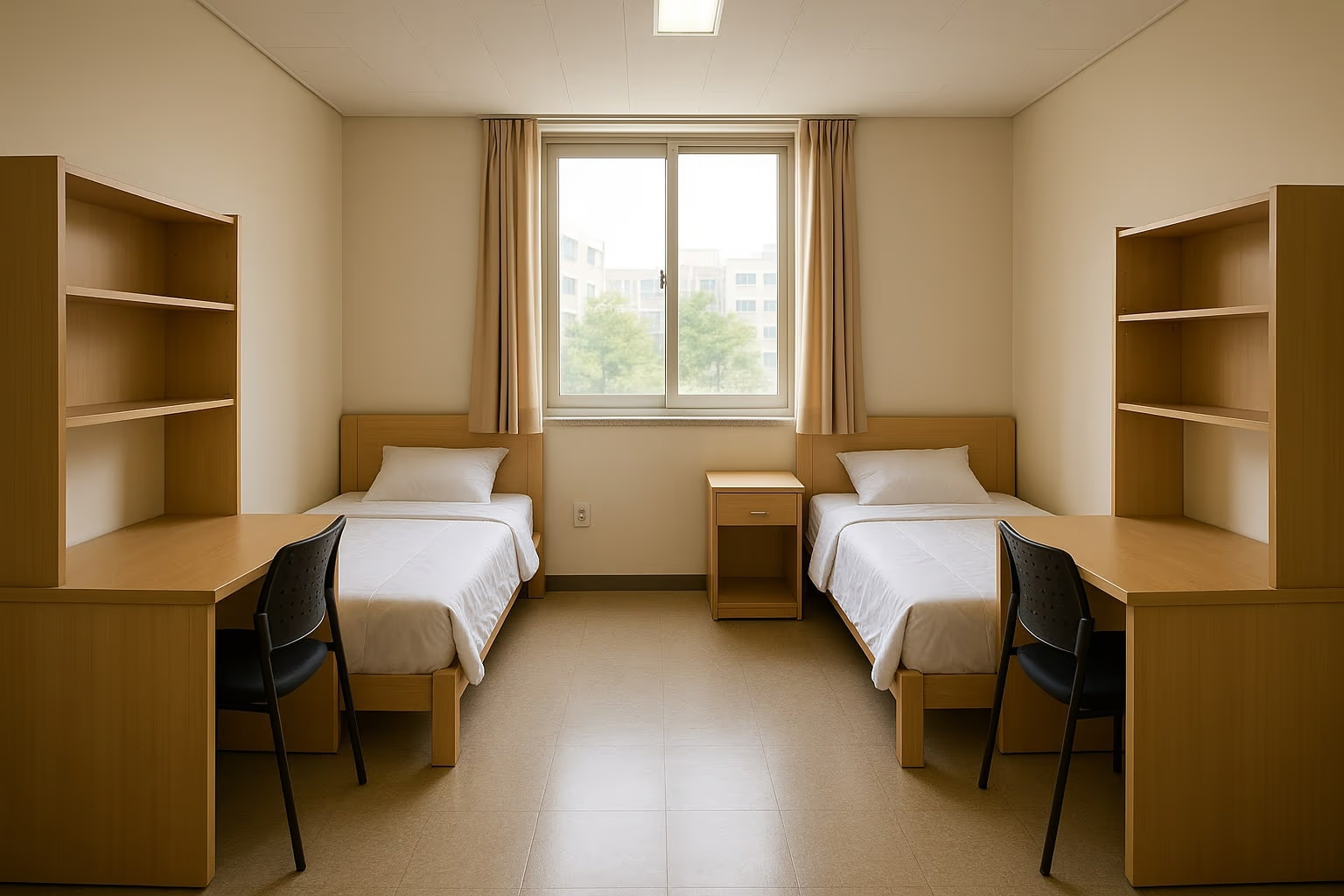
University Dormitories
Rooms on university campus, usually shared with another student. Dormitories typically include basic utilities and access to facilities like gyms, laundry rooms, and study halls.
Pros
- Convenient location near classes
- Opportunity to socialize with other students
- Security and maintenance included
- Generally includes Wi-Fi and basic utilities
Cons
- Limited space and privacy
- Strict rules (curfews, visitors, etc.)
- Limited availability, especially for international students
- Often close during holidays
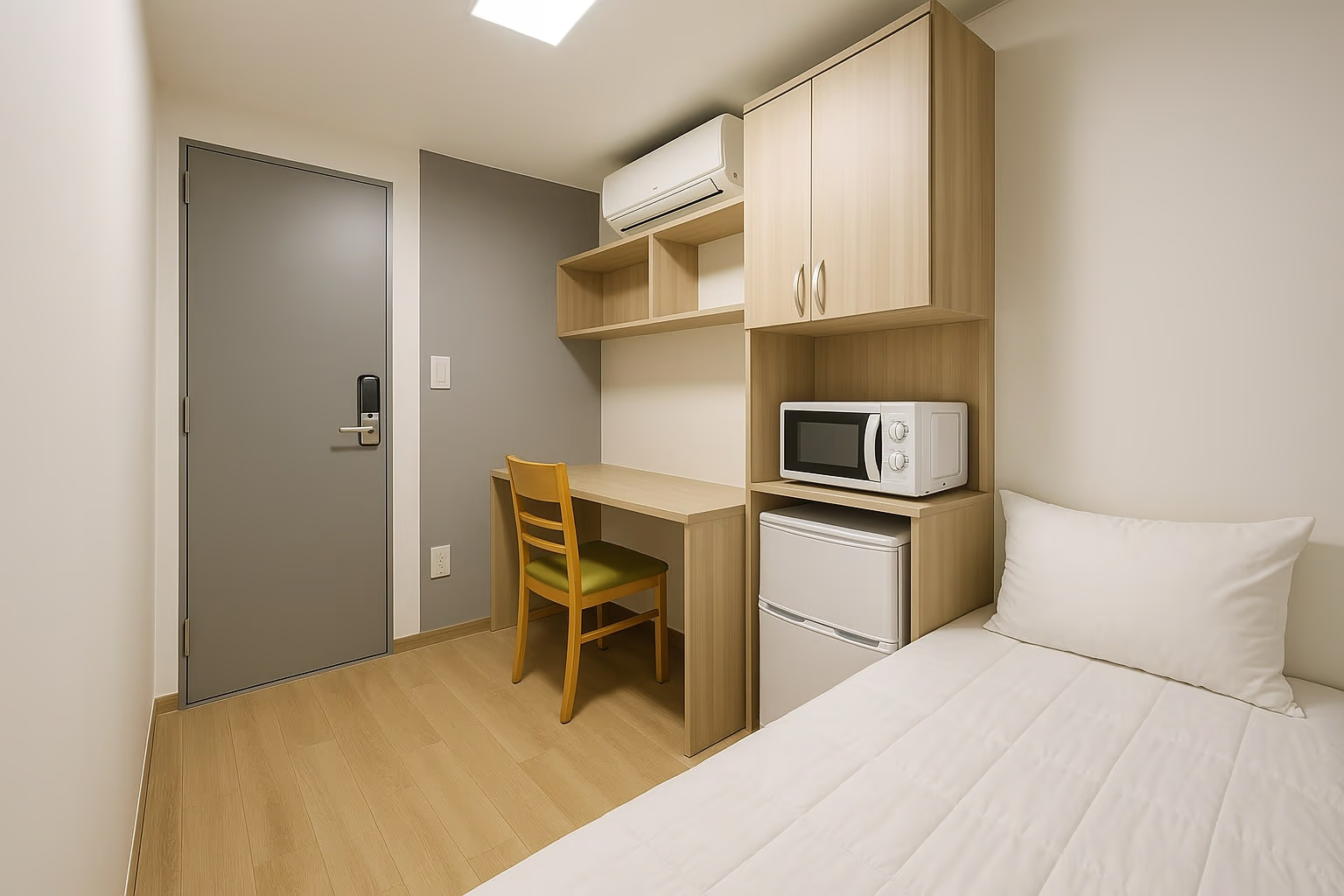
Goshiwon
Very small individual rooms (typically 3-5 m²) with shared bathroom and common kitchen. A budget-friendly option popular among students and young workers.
Pros
- Very economical
- Usually no large deposit required
- Flexible contracts (month-to-month)
- Basic utilities included (water, electricity, internet)
Cons
- Extremely small rooms
- Shared bathrooms and kitchens
- Little privacy and limited common spaces
- Can be noisy depending on the building
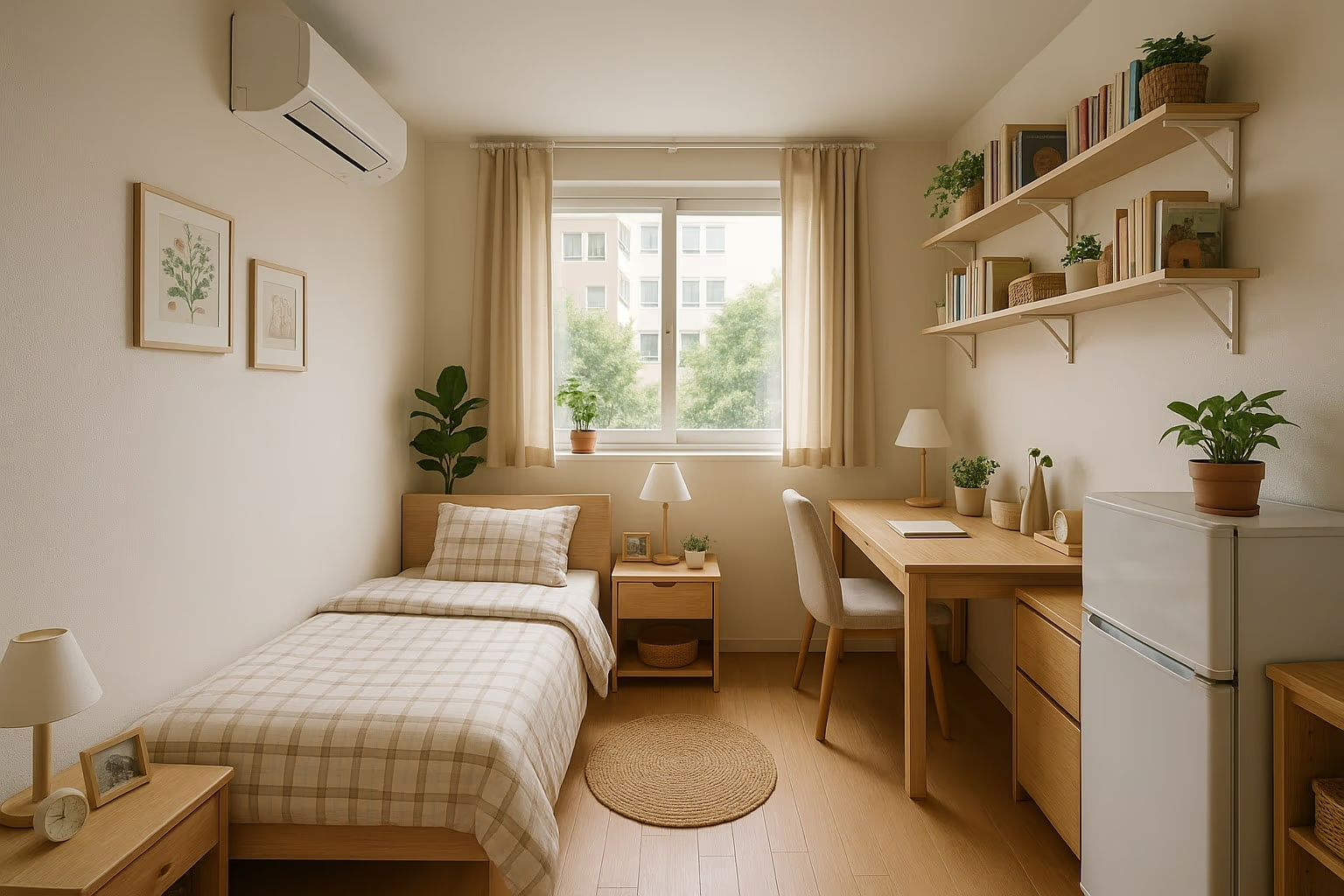
Hasukjib
Private homes where the owner offers rooms to students, typically with meals included. Similar to a boarding house.
Pros
- Homemade Korean meals included (usually 2-3 per day)
- Family atmosphere
- Opportunity to practice Korean with hosts
- No large initial deposits
Cons
- Less independence and privacy
- May have strict rules
- Shared spaces with other residents
- Difficult to find online, often requires local connections
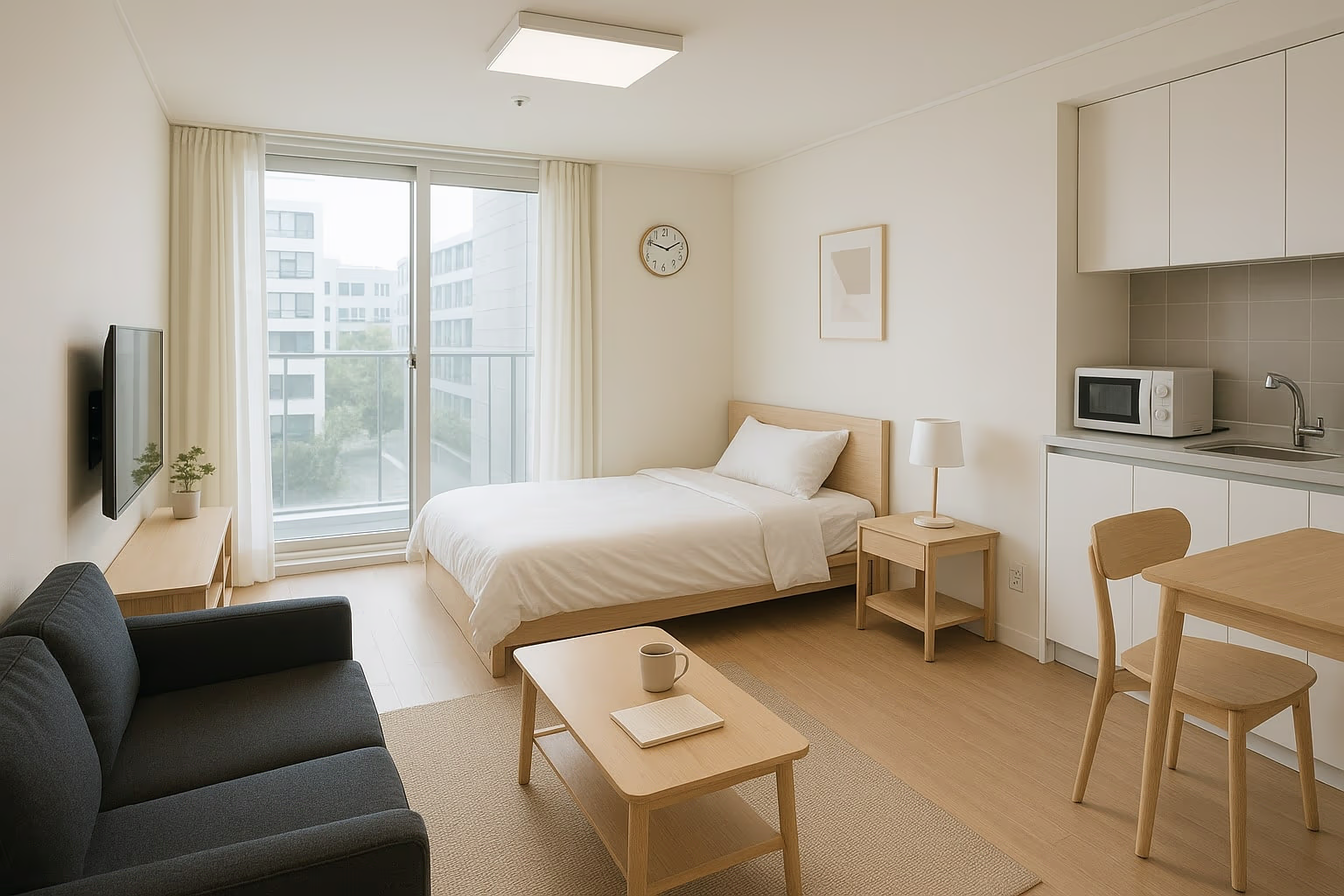
Oneroom (Studio)
Small single-room apartments with private bathroom and kitchen. More private than previous options but require a significant deposit.
Pros
- Complete privacy and independence
- Private kitchen and bathroom
- No curfew or restrictions
- Good option for long stays
Cons
- Requires large deposit (10-20 million KRW)
- Utilities not included
- Needs long-term contract (usually minimum 6 months)
- May require a Korean guarantor
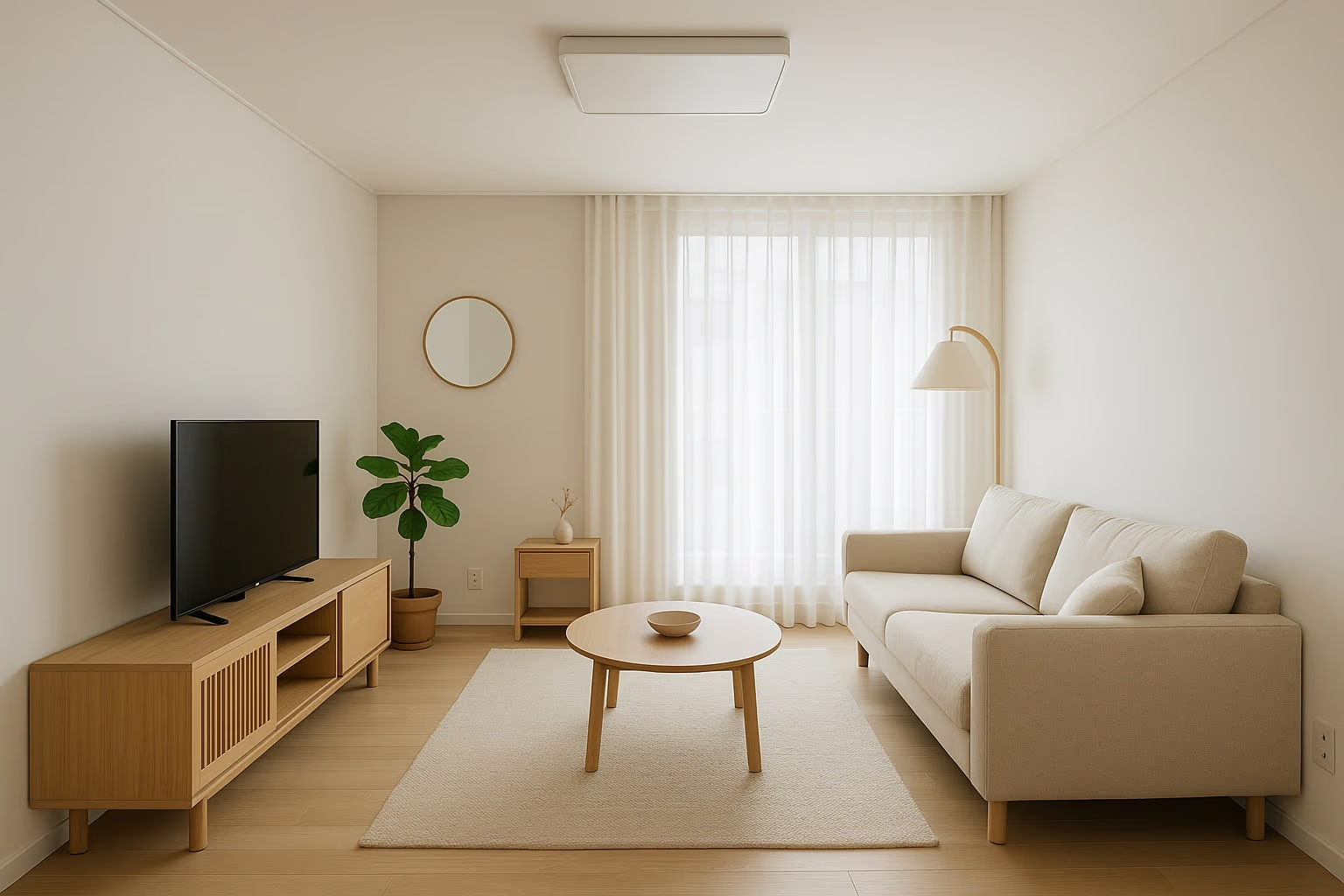
Share House
Apartments or houses shared among several students or young professionals. Each person has their private room but shares common areas.
Pros
- Balance between privacy and socialization
- More spacious than a goshiwon
- Shared costs
- Good for meeting new people
Cons
- Depends on compatibility with roommates
- Possible conflicts over cleaning or noise
- Moderate deposit required
- Less availability in popular university areas
Note about prices
Accommodation prices in South Korea vary significantly depending on location, season, quality, and included services. Exact figures may change over time, so we recommend consulting directly with accommodation providers for up-to-date information.
Tips for finding accommodation
- Start your search at least 1-2 months in advance, especially for university dormitories.
- Consider the distance to your university or academy and proximity to public transportation.
- For exchange students, check with your local university if they have agreements with student residences in Korea.
- Keep in mind additional costs such as deposits, utilities, and maintenance fees.